Wall Upholstery: What It Is and How It's Built
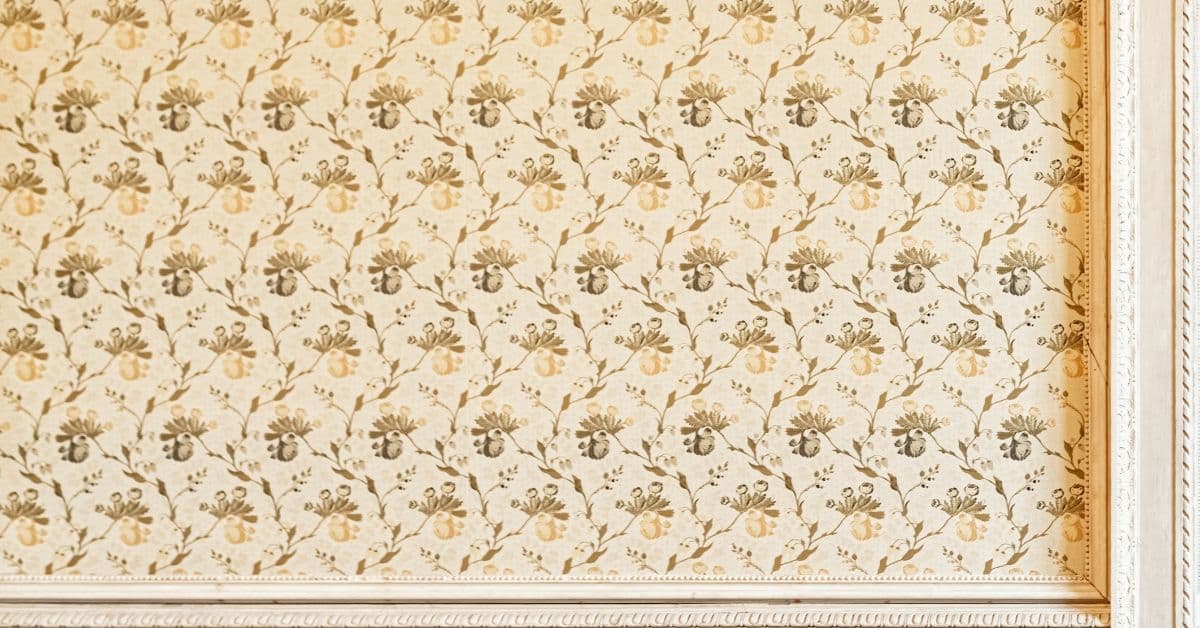
What is wall upholstery?
Wall upholstery is fabric stretched over a layer of padding and fixed to the wall, so the fabric reads as the wall itself. It is softer and quieter than paint or wallpaper, it hides imperfect plaster and drywall, and it can be recovered later in a new fabric. You can do a single wall behind a bed or every wall in a room.
Fabric glued flat to the wall with no padding is closer to a wallcovering than to upholstery. This guide is about the padded, stretched kind.
Why designers specify it
- Warmth. A fabric wall looks and feels softer than paint.
- Quiet. The padding and fabric absorb sound, which helps in bedrooms, dining rooms, media rooms and offices.
- Forgiving. The padding hides cracks and uneven drywall.
- Range. Any color, texture or pattern the fabric world offers, including tufted or channeled treatments.
Two ways to build it: on-site track or shop-built panels
Nearly every upholstered wall is built one of two ways.
Site-installed track. We fix a track or wood battens around the perimeter of the wall and around every opening, fill the field with padding, and stretch the fabric in place. The result is a seamless, tailored field that wraps outlets, windows and odd angles. It is the right call for bedrooms, dining rooms and libraries, where you want the fabric to read as the wall itself.
Shop-built panels. Panels are upholstered in the workroom and hung with cleats or clips. They come down for access behind the wall or a future fabric change, they can carry an acoustic core, and the install day is faster. They suit media rooms, commercial spaces, and anywhere the client may want to get behind the wall later.
Tufted and channeled walls are a variation on either: the padding is buttoned or stitched into a pattern, such as a diamond. A site survey usually settles which method is right.
How a track wall is installed
- Survey and measure. Every wall, opening, outlet, switch, vent and sconce.
- Prepare the wall. Fix holes and cracks so the surface is sound.
- Fix the track or battens. Around the perimeter and every opening.
- Pad the field. Batting fills the space inside the track.
- Stretch the fabric. Widths are seamed and matched, then stretched tight and locked into the track or stapled to the battens, so there are no wrinkles or sags.
- Finish the edges. Double welt, gimp or a clean track reveal.
Lining up a pattern across a full wall, keeping the fabric taut without wrinkles or sagging, and cutting around openings without wasting goods all take practice. For a full wall, hire a workroom.
Padding, lining and fabric
The padding does more work than most people expect. Polyester batting softens the plane, improves the acoustics and hides drywall imperfections. For a plusher hand or more sound absorption, we step up to a thicker batting. A muslin or Dacron scrim keeps the batting from reading through lighter fabrics.
Fabric selection is where projects succeed or stall. Stable weaves with a little mechanical stretch behave best: wools and wool blends, heavier linens and performance textiles. Loose basket weaves, unbacked silks and strong repeats that must run on the bias will fight you. We recommend a knit backing for most silks and lighter linens.
On a standard-height wall, the fabric runs in vertical widths. Seams are matched by hand and placed deliberately, usually centered on the wall or aligned to the architecture. Perimeters finish with double welt, gimp or a clean track reveal.
Two cautions. Avoid upholstered walls in bathrooms and other damp rooms, because padding holds moisture. And direct sun fades most fabrics, so on a sunny wall choose a fabric that resists fading.
What drives the cost
Complexity drives cost more than square footage does. Outlets, sconces, window returns, radius corners and upholstered doors all add labor. A clean rectangular wall is the cheapest square footage you will ever buy; a wall with six penetrations is not.
One honest note on value: wall upholstery is slow, skilled handwork done on ladders in a finished room. When a quote looks high next to drapery or furniture work, it is usually the install days, not the markup.
Caring for an upholstered wall
- Vacuum it. Regularly, with a soft upholstery brush, working top to bottom.
- Blot spills straight away. Use a clean white cloth, and do not rub.
- Spot-clean only as the fabric's cleaning code allows. Test on an inconspicuous spot first, and use a cloth wrung nearly dry. Never wet the wall: water that reaches the padding dries slowly and can leave tide lines or mildew.
- No bleach or harsh cleaners.
- Call a professional upholstery cleaner for silk and other delicate fabrics, and for anything bigger than a small spot.
How to spec a wall upholstery project
Send us elevations with dimensions, the location of every outlet, switch, vent and sconce, and your fabric with its width and repeat. Flag anything behind the wall we should know about, especially in older New York and San Francisco buildings, where plaster and conduit create surprises. We confirm yardage, seam placement and padding before you order the fabric, which protects you from both shortages and overages.
Valley Studio works to the trade for designers and architects, with workrooms in Los Angeles and New York and an office in San Francisco. See our wall upholstery service, or send us your elevations and we will talk it through.
Related reading: History of Wall Upholstery · Inside Our Long Island City Workroom for NY Projects · How to Clean a Fabric Headboard: A Workroom's Method
FAQs
What is the difference between wall upholstery and wallpaper?
Wall upholstery is fabric stretched over padding; wallpaper is pasted flat. Upholstery is softer and quieter and hides wall flaws. Wallpaper costs less and is the better choice for a damp room.
Do upholstered walls help with sound?
Yes. The padding and fabric absorb sound and soften echo. For real acoustic control, shop-built panels with acoustic cores do more.
Can you upholster a wall in a bathroom?
We don't recommend it. Padding holds moisture, and humidity can lead to mildew.